
What happens when a founder designs themselves out of control? Guy Watson's journey shows how ownership can become a way of protecting purpose long after the founder has stepped back.
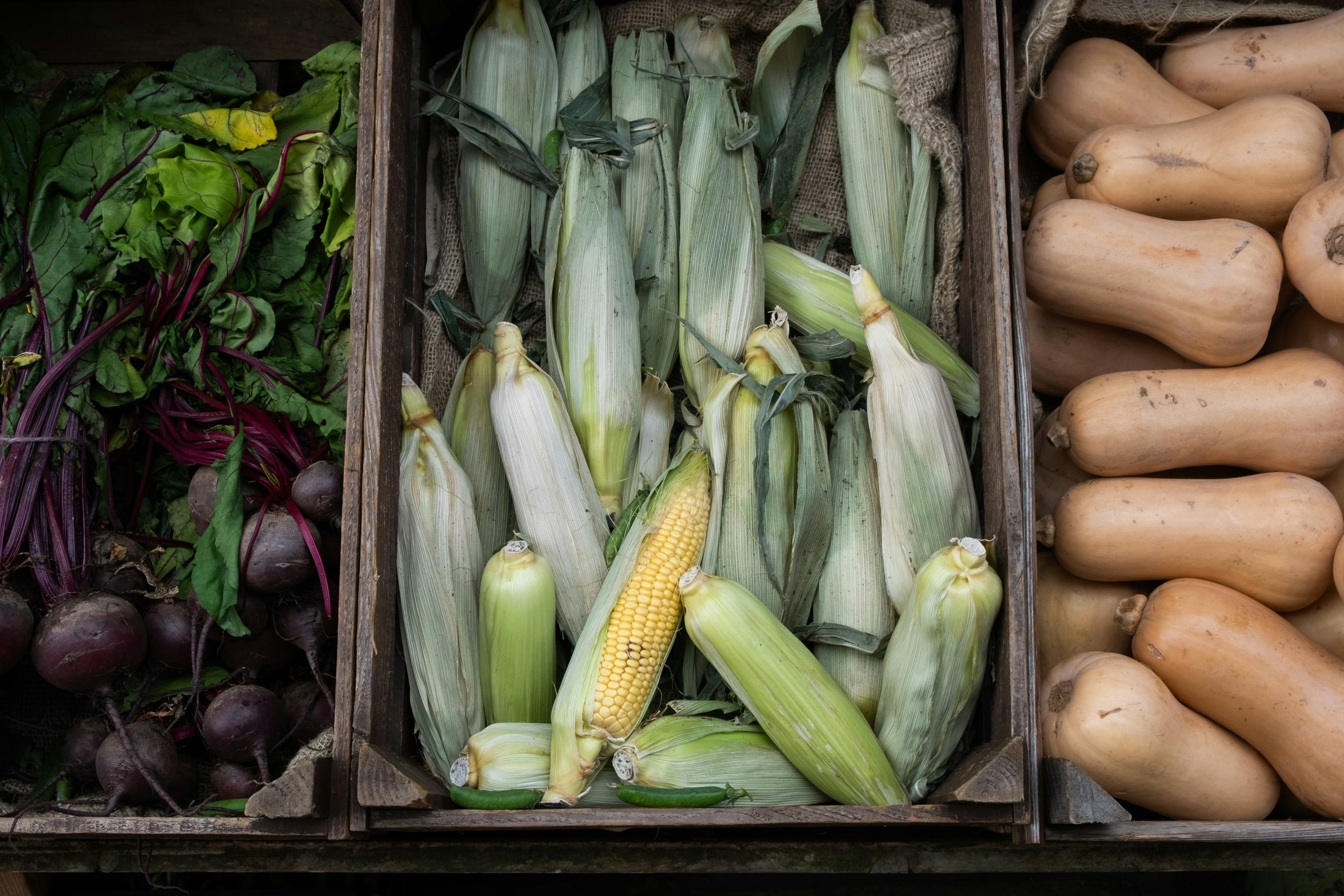
Founded in 1986 by farmer Guy Singh-Watson, Riverford grew from a field of leeks into a £70m+ organic food business. In 2018, after more than 30 years of founder ownership, the company transitioned to full employee ownership via an Employee Ownership Trust.
Ownership 74% of shares were sold to an Employee Ownership Trust at below market value, later moving to full trust ownership. The trust holds shares on behalf of all employees. No individual shareholdings.
Governance A co-owner council, elected by employees, acts as the “eyes, ears and voice” of staff and interfaces with the board and trustees. New trustees and non-executive directors were appointed to steward the transition.
Capital Self-financing. The founder chose a reduced sale price to avoid over-leveraging the business.
- From Control to Shared Stewardship
Founder Guy Singh-Watson moved from sole decision-maker to one voice among many. He described the transition as “part of growing up.”
Senior managers underwent coaching. New trustees were appointed to support the shift. Authority became more distributed and dialogic.
- From Consultation to Participation
A 20-person working group, drawn from across the business, was asked to advise on the ownership structure.
Contrary to expectations, they recommended that all shares be held in trust rather than allocated individually — prioritising solidarity over personal financial gain.
This moment demonstrated organisational readiness for shared ownership.
- From Employment to Co-Ownership
Staff reported learning to listen more, hold tension, and take responsibility.
“I learned not to throw my toys out of the pram when I didn’t get my way.” — Ed, Polytunnel Manager
Rob, Managing Director, reframed his role from “getting vegetables to people’s houses” to “growing people.”
- Purpose and values were deeply embedded before transition.
- The company remained rooted in farming and place (enshrined constitutionally).
- The founder did not rush — he explored employee ownership for over a decade.
- External legal, governance and culture support was brought in.
- Staff were engaged early and meaningfully.
- The transition was celebrated as a collective milestone.
- 1,000 employees.
- Strong financial performance.
- 21 tonnes of plastic saved annually.
- Over 1 million portions of veg donated to charity.
- Continued organic growth, largely self-financed.
Guy later reflected: “The day I sold the business was the happiest and proudest day of my life.”
- Founder accepted significantly less than market value.
- Transition required multi-year cultural work.
- Governance complexity increased.
- Patience and resilience required without external capital.
- Ownership is not cosmetic — it reshapes culture when done deeply.
- Cultural readiness matters as much as legal design.
- Stewardship requires founder maturation and letting go.
- Rootedness in place strengthens long-term coherence.
- Employee ownership can support both performance and purpose.