
What happens when funding decisions leave the boardroom and go to the people who live with the consequences? Barking & Dagenham Giving is testing whether residents, rather than trustees, are best placed to decide where local capital goes.
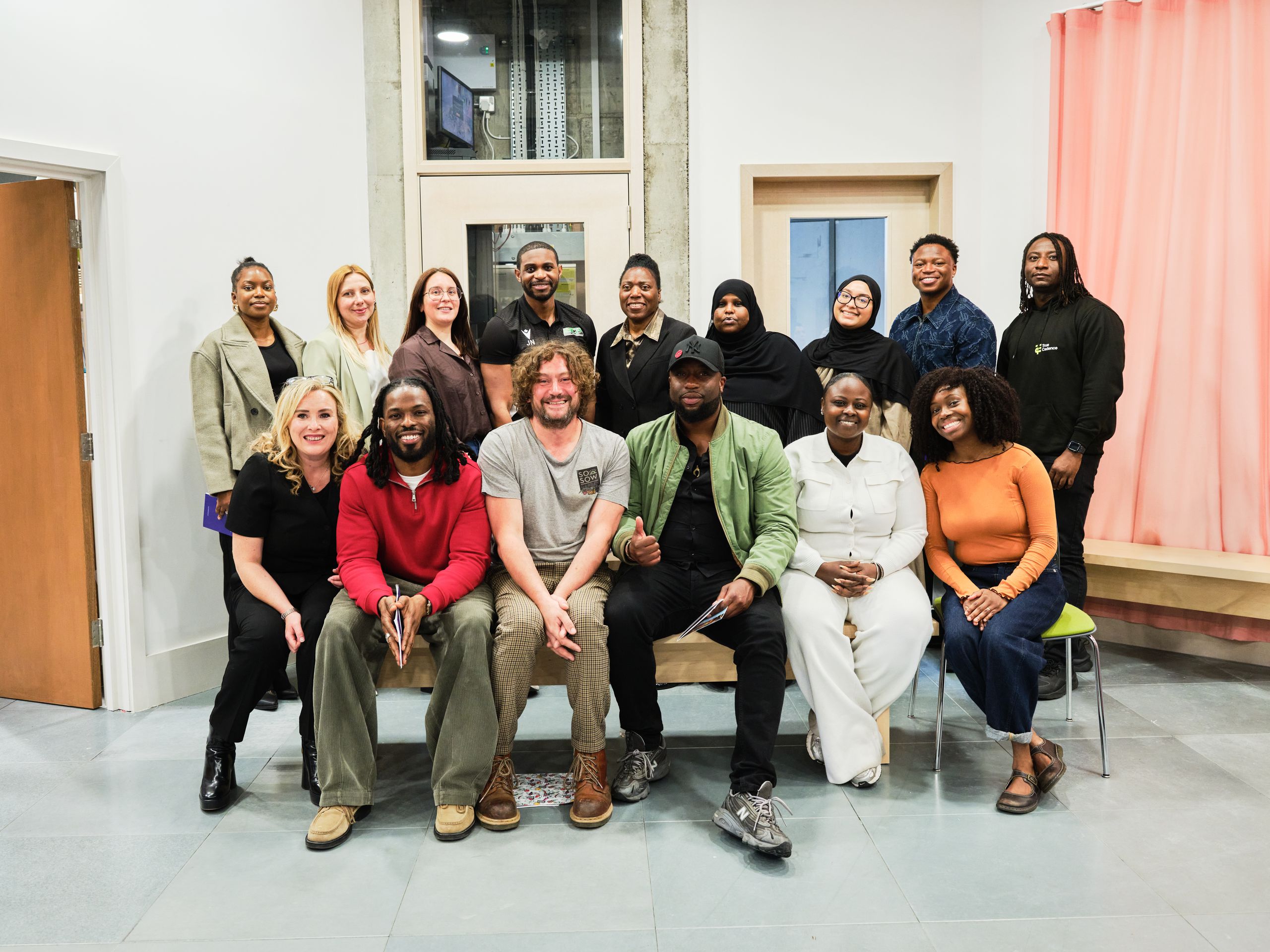
Barking and Dagenham has spent decades on the receiving end of decisions made without residents: regeneration schemes, funding criteria and investment, all set by people with little connection to the borough.
Barking & Dagenham Giving (BD Giving) launched in 2020 to try something different: what happens if the people living with the consequences of a funding decision also get to make it?
Charity law requires BD Giving to have trustees, and it does. But trustees no longer make the funding and investment decisions themselves. A Community Steering Group of twelve local residents built the organisation's investment policy from scratch, and resident panels now decide where grants and investment go. As Kate Harmatz, Head of Fundraising and Partnerships, puts it: “Usually, there’s nobody with the voice of lived experience in the decision-making room.”
BD Giving's flagship GROW Fund backs local, purpose-led entrepreneurs with a blend of grants, coaching, peer learning and equity-free investment: currently a £10,000 grant plus access to further investment from £25,000. The endowment behind it began as a £900,000 transfer from the local council in 2020 and has grown to around £2 million, managed directly by residents, not professional fund managers.
- From Trustees to Residents
Funding decisions moved from a board with financial and managerial backgrounds to panels of residents with direct experience of the borough. The premise, now tested in practice: money flows differently when the people deciding are also the people affected.
- From Consultation to Design
Residents were not simply consulted on an existing fund. The Community Steering Group built the investment policy itself, deciding what the fund should prioritise before a single grant was made.
- From Expert Gatekeeping to Trust-Building
Making this work took real infrastructure: facilitation, plain language, application processes redesigned so people without financial backgrounds could use them, and enough trust-building that residents felt able to step into rooms they had never been invited into before.
- Council backing and an initial endowment to work with from day one.
- Facilitation and trust-building resourced as core infrastructure.
- Legitimacy built in before the fund ever launched.
- A willingness to work inside charity law's constraints.
- Grown the endowment from around £900,000 to around £2 million. Resident panels manage these investments and have also leveraged the fund to attract an additional £3 million to the borough.
- Since 2020, over 250 local people have participated in decisions about grants and investments.
- GROW Fund: Supported 32 entrepreneurs (2023-2026), half of whom are pursuing social investment, with two having secured investment from the GROW Fund itself and four more in the pipeline.
- Now advises other local authorities and place-based funds, as well as larger foundations, on co-designing participatory funds.
- Public funders can talk market-building but still default to measuring grant-subsidy efficiency over outcomes, and the red tape that comes with it.
- Partnering with mainstream finance raises real tensions, with no clean answer.
- Place-based trust cannot be imported. It has to be built locally.
- Participation takes time and money most funders don't budget for.
- Governance change means being honest about where the real power sits, and redesigning around that.
- Capital and governance move together: rethinking who decides forces new governance design.
- Lived experience is a form of expertise.
- Participation is infrastructure. It has to be resourced and designed for.