
A small foundation experimenting with how philanthropic and investment capital can move in more regenerative, trust-based and mission-aligned ways. Its model brings together philanthropy, impact investment, programmes, pooled funds, peer learning and field-building. This shows how capital can be designed around life as well as return.
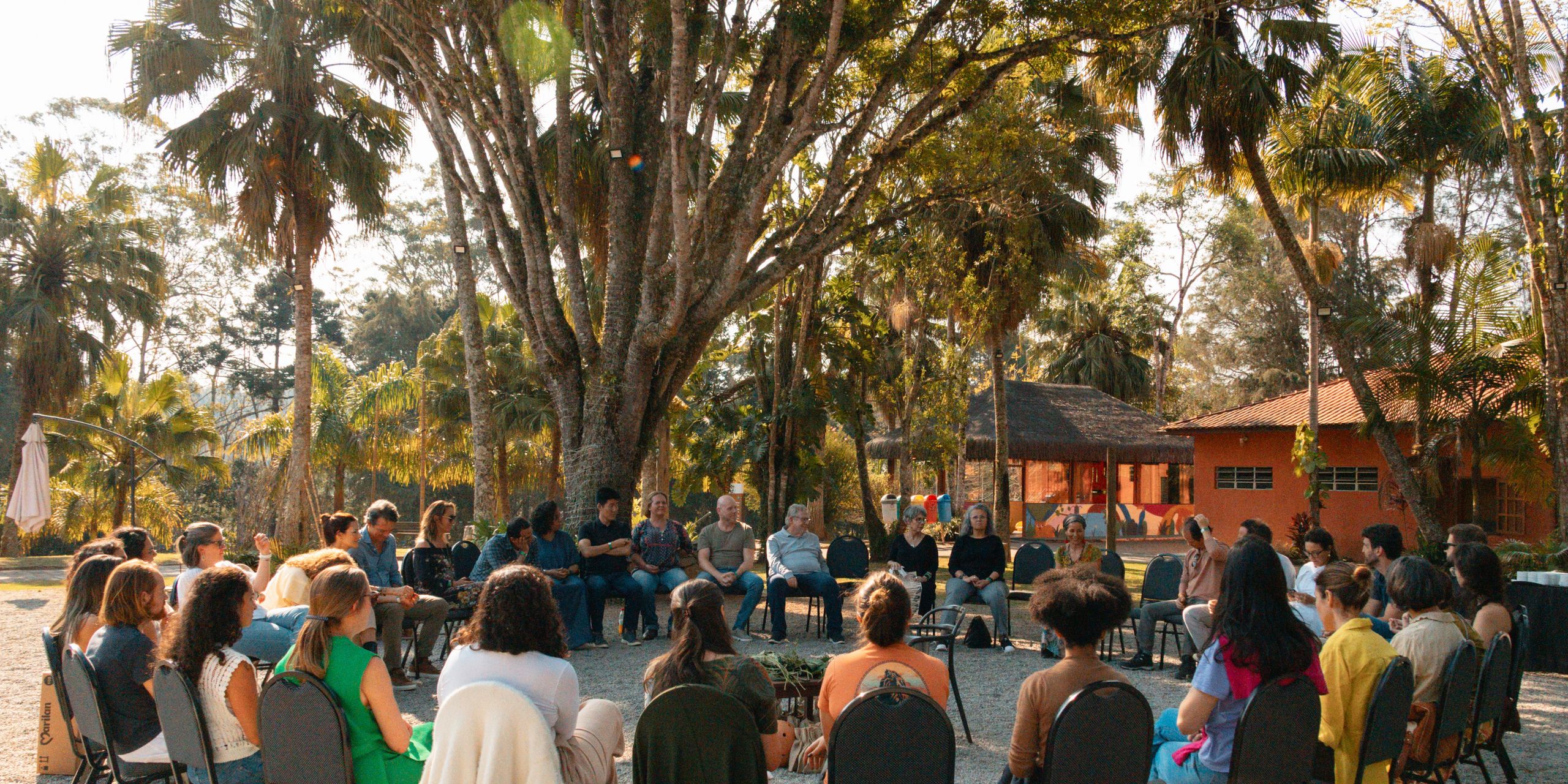
Be The Earth emerged from the partnership of Seth Tabatznik and Renata Minerbo, combining Seth’s long-standing interest in ethical wealth stewardship and impact-first investing with Renata’s experience as a social entrepreneur working with vulnerable communities in Brazil. The foundation was formally established in 2020. Berti Investments Ltd was acquired and renamed Be The Earth Investments Ltd, becoming a subsidiary of Be The Earth Foundation. The organisation states that profits from the investment side are either reinvested or donated, because the foundation is designed for circulation and distribution rather than fund preservation.
The foundation is not a grant-maker with an investment portfolio on the side. It is trying to align wealth, investment, philanthropy, programmes and relationships under a single regenerative vision. It describes itself as “a living lab experimenting with ethical ways to redistribute wealth and regenerate ecosystems”.
What would it look like for a foundation to move all forms of capital, philanthropic, investment, relational, social and spiritual, in service of life?
Underneath that sit several practical questions:
- How can a foundation align investments and philanthropy without hidden compromises?
- How can money move in ways that are trust-based, inclusive and regenerative?
- How can wealth holders use their peer influence to shift the wider field?
- What investment approaches are needed for food systems, ecological regeneration and marginalised communities?
- How can feminist-informed practice shape capital allocation, governance and relationship?
Be The Earth has developed a multi-layered approach to capital. Its “Wholesome Capital Approach” explicitly seeks alternatives to extractive and exploitative models of capitalism and patriarchy, aligning financial assets with natural, social and spiritual forms of wealth.
On the investment side, the foundation uses a closed-loop model. Its investments are described as regenerative and mission-aligned, using bespoke and co-created vehicles across the spectrum of capital. The aim is fair return alongside long-term benefit to people and planet.
Its active portfolio includes ventures connected to food systems, land, rewilding, regenerative farming, producer data and stewardship. Publicly listed investments include Ooooby, Roots, a no-dig allotment community; Producers Trust; Vidacycle; and Heal Rewilding.
Alongside investing, it now runs programmes and partnerships that support the people and ecosystems around the capital. Flow Funding, for example, gives experienced activists and thought leaders funds to allocate directly, based on intuition and their knowledge of the field. It selects changemakers aligned with food, farming, environmental regeneration, women and Indigenous peoples across Brazil, South Africa and the UK.
With Regenerosity, Be The Earth co-founded the Nurture Funder Community of Practice, described as a network of more than 85 funders, individuals and organisations committed to inclusive and high-integrity philanthropy.
The current Moving Money in Service of Life webinar series is part of this work. The second session, From Alignment to Action: Blended Finance for Systemic Change, asks what it takes to move philanthropic and investment capital beyond alignment and into action. As funders, they are using their convening power and peer influence as part of their capital strategy: moving from “what do we fund?” to “how do we create the conditions for more people to move money differently?”
Be The Earth also illustrates several live challenges in regenerative capital.
- This work is relational and therefore time-intensive. Co-created and bespoke capital models require more care, conversation and judgement than off-the-shelf funding products.
- It asks wealth holders to face contradictions. The foundation is transparent that wealth creation can involve harmful practices and says it has chosen to be open about the origins of its funds so it can address the contradictions and emotions that arise.
- The model depends on coherence across different forms of capital. Investment, philanthropy, programmes, storytelling and field-building need to reinforce one another, rather than becoming disconnected workstreams.
- This work is still emergent. The foundation’s strength is that it is learning in public, but that also means its model is evolving. Like many actors in the field, it is developing the language, vehicles, relationships and evidence as it goes.
The foundation offers a practical example of a foundation treating capital as a living system.
Instead of separating investment from philanthropy, or returns from relationships, it asks how all resources can be aligned towards regeneration. This includes financial capital, but also trust, networks, convening power, peer influence, spiritual wealth, lived experience and care.
Be The Earth also helps show why the missing middle is an ecosystem problem as much as a pipeline one. Purpose-led businesses and regenerative initiatives need funders who can work across grants, investments, pooled vehicles, patient capital, trust-based giving and field-building. They need capital that can support experiments before they are fully legible to conventional markets.